How Expensive Is It to Repair a Slab Leak
Homeowners naturally ask this first, yet there is no honest single figure before the leak is located and the pipe is assessed. Two homes on the same Bradenton street can need very different work for what sounds like the same problem. The factors in this post explain why assessments vary. Two proposals can differ honestly when they assume different methods, so scope details matter more than headline totals. Asking early also keeps the total scope clearer for everyone involved later.
Location under the slab, access, flooring, method, and pipe condition combine to set the scope, and scope sets the cost. Anyone offering a firm total by phone, without detection, is guessing with your money. A written assessment tied to findings is the only basis on which to judge what a repair should involve. Ask each provider to separate detection, repair, and restoration in writing, so the parts are easy to compare.
Where the Leak Sits Changes Everything
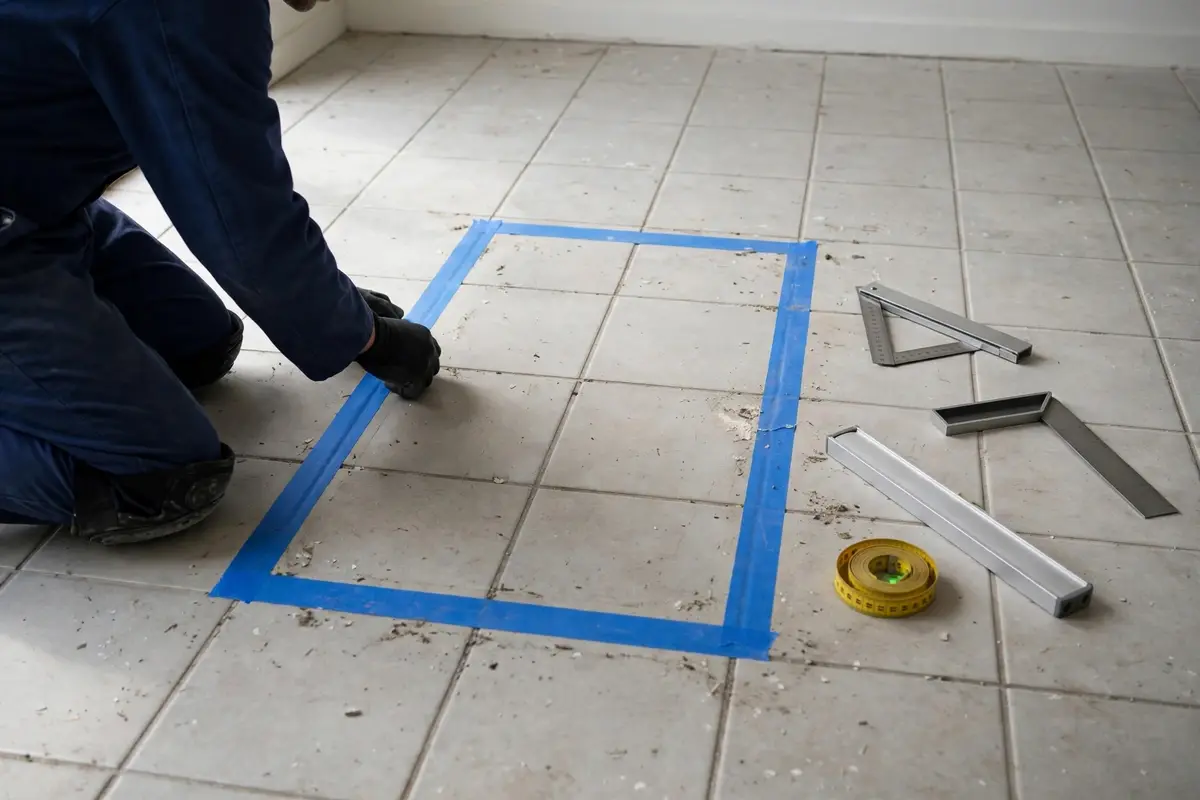
A break under an open garage floor is reached very differently from one under the middle of a tiled kitchen or a bathroom with fixtures above it. Depth, nearby lines, and what sits on the slab all shape the work. Central leaks often need more protection for surrounding finishes and fittings. A break under a tub or a kitchen island adds steps, because fixtures may need careful removal and refitting. Edge breaks often allow faster drying once the source is finally stopped.
Leaks near the edge of the slab, or under lines that can be bypassed from outside walls, may offer simpler paths. In Manatee County slab on grade homes, supply lines often run in predictable patterns, but remodels change routes. Pinpointing first replaces assumptions about location with a marked spot and a plan built around it. Corner leaks near exterior walls sometimes allow work from outside, which changes both access and restoration needs greatly.
Access and Flooring Affect the Work
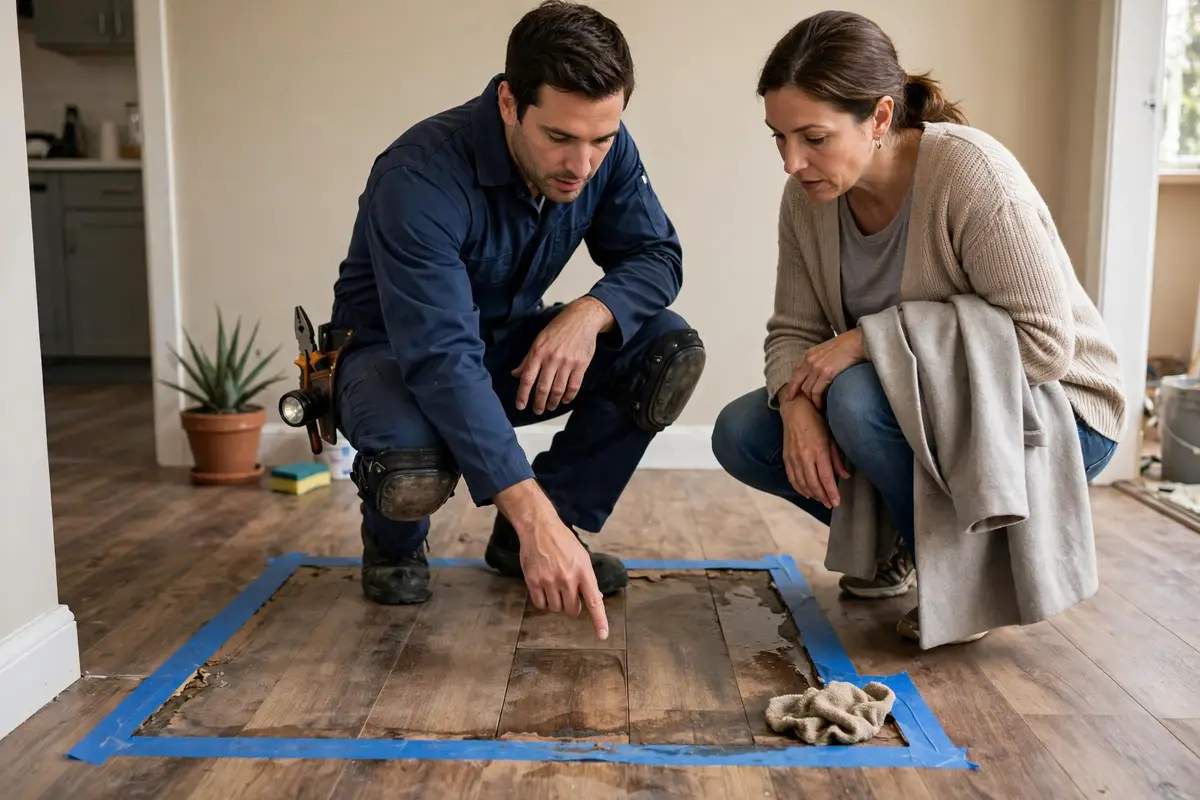
Flooring decides how much care, time, and restoration a spot repair involves. Tile, hardwood, laminate, and carpet each need different handling to open and to make good afterward, and matching older tile or wood can take extra sourcing. Protecting cabinets, appliances, and adjacent rooms also forms part of the job. Restoration quotes from flooring trades can differ from the plumbing scope, so confirm who handles each finishing step. Matching grout color matters too, especially in bright Florida tiled rooms.
Access matters beyond the floor itself, including space to work, attic entry for a reroute, and parking for equipment near the home. Homes in the Village of the Arts and other older Bradenton areas may have additions and mixed flooring from different decades. Noting these details during assessment prevents surprises once work begins. Materials saved from the original floor, such as spare tiles in a garage box, can change restoration planning completely.
Repair Method Shapes the Scope
A spot repair, a reroute, and a lining each involve different labor, materials, and finishing steps, so the method chosen is a major cost factor on its own. A reroute trades floor work for wall and attic work. A lining trades opening floors for preparation, inspection, and curing time inside the pipe. Pressure testing after the repair should be included in the scope, since it proves the work before floors close. Included and excluded items should never be left to verbal memory later.
That is why comparing proposals only makes sense when each one states its method and scope plainly. Ask what each proposal includes, what it excludes, and what restoration is left to others. When you call (941) 307-1712, ask how the method for your home was chosen and what alternatives were considered during assessment. Ask whether permits or inspections apply to your planned scope in Manatee County, and who arranges them if needed.
Pipe Condition and Next Steps
If detection suggests one isolated break in otherwise sound pipe, the scope stays focused. If the pipe shows widespread thinning or several weak points, addressing only the active break may lead to repeat work, and a broader reroute can be the more sensible scope even though it involves more today. Drying time before flooring goes back matters, because sealing damp concrete under new finishes can trap moisture below. Good paperwork protects you if questions arise long after work ends.
Water damage adds its own steps, including drying, flooring repair, and checks for damp in walls, which may involve other trades. Keep the written findings, photos, and meter records together. They explain the scope you agreed to, support any paperwork you file, and give the next homeowner a clear history of the line under the slab. Keep a simple timeline of findings, decisions, and completion dates with the paperwork, so the full story stays clear.
Questions About What Decides the Cost of a Slab Leak Rep
Why can I not get a firm total over the phone?
Because location, access, flooring, method, and pipe condition are unknown until detection is done, and each one changes the scope. A phone total without findings would be a guess. After assessment, ask for the scope in writing, so the figure and the work match each other.
Does finding the leak cost extra on top of repair?
Detection is its own step with its own equipment and time, whether or not you proceed with the same company for repair. Ask how detection and repair are listed, so you can see each part clearly. Written findings from detection stay useful even if you compare repair proposals.
Will my flooring match after a spot repair?
Matching depends on the material, its age, and whether spare tile or boards were kept from installation. Crews can advise what is realistic for your floor once they see it. Keeping a few spares from any future flooring project makes later repairs far easier to blend.
What paperwork should I keep after the work?
Keep the written findings, the agreed scope, photos before and after, and any notes on the method used and the route of new lines. These records help with future plumbing work and with explaining the repair if you sell. Store copies with your other home documents.