
Warm Spots on Bare Floors
A warm patch on tile or concrete, in a spot with no sun or appliance nearby, often means a hot water line is leaking below and heating the slab. Walk barefoot in the morning, when floors are coolest, and note where warmth stands out. Compare the spot from day to day. Warmth from a cold line leak will not appear, so rely on meter movement and moisture signs for those breaks. Tile floors make this check simple in many Bradenton homes year round.
Florida homes make this sign easier to spot because many Bradenton houses have tile throughout and no basement below. Warmth that stays in one hallway or bathroom area, rather than spreading with sunlight, is worth attention. Mark the edges lightly with tape, so you can show the crew exactly where the feeling is strongest. Check the area again in the evening, since steady leaks keep warming the slab after household activity has settled down.
Meter Movement With Taps Closed
When every tap, toilet, and appliance is off, your meter should sit still. A dial that creeps, a leak indicator that spins, or numbers that change over ten quiet minutes point to water leaving the system somewhere. That simple test separates a real loss from a one day spike in use. Some newer meters record hourly use in an app or portal, which can show overnight flow you never caused. Repeat the test at night for the quietest and clearest possible reading.
Remember to pause irrigation and pool filling during the test, since both draw water on timers in many Manatee County homes. Note the readings and times in writing. If the meter moves only when the irrigation zone runs, the problem may be outdoors, which is still worth fixing before the next bill. Note whether movement stops when the house valve closes, because that can separate indoor lines from service lines outside.
Unexplained Jumps in Water Use
A bill that jumps without guests, new appliances, or extra laundry is a classic sign, especially when the pattern holds for a second month. Compare with the same season last year if you can, because summer watering raises use across Bradenton. A steady rise with no clear cause deserves the meter test. Guests, pressure washing, and new plants all raise use, so list recent changes before assuming a hidden problem exists. Seasonal comparison keeps normal summer watering from causing needless worry here.
Small leaks run all day and night, so they add up quietly in a way a single garden soak does not. Check whether the increase is in total volume rather than only in charges. If use is up and floors feel warm or damp, call (941) 307-1712 and share both details, since together they narrow the search. A bill that rises while you were away on holiday is especially telling, since an empty home should use almost nothing.
Sounds, Damp Smells, and Cracks
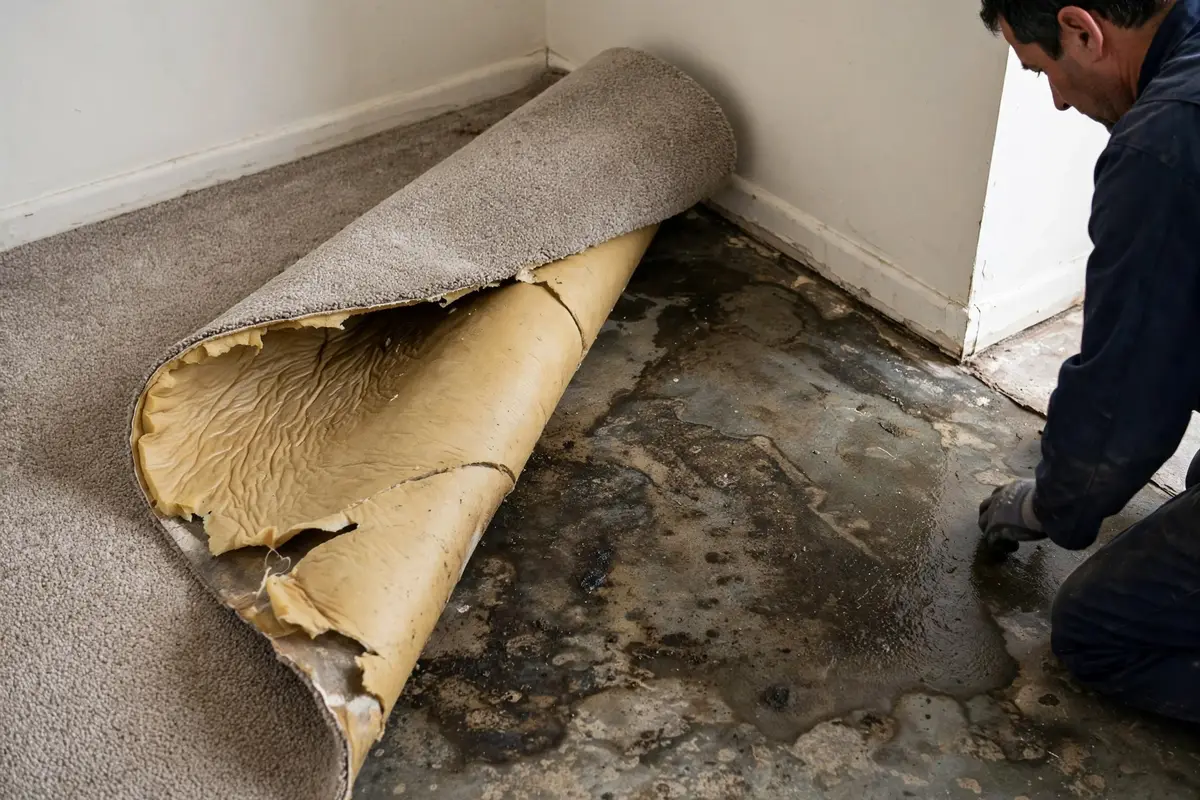
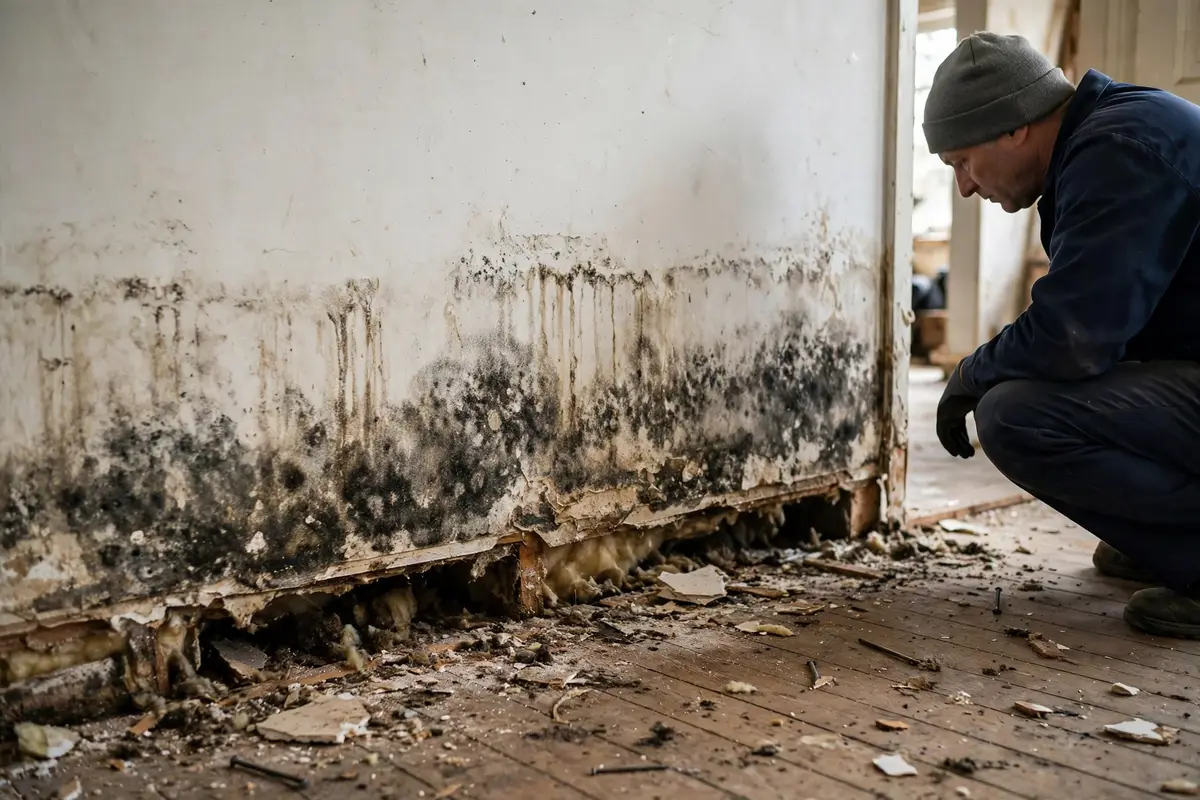
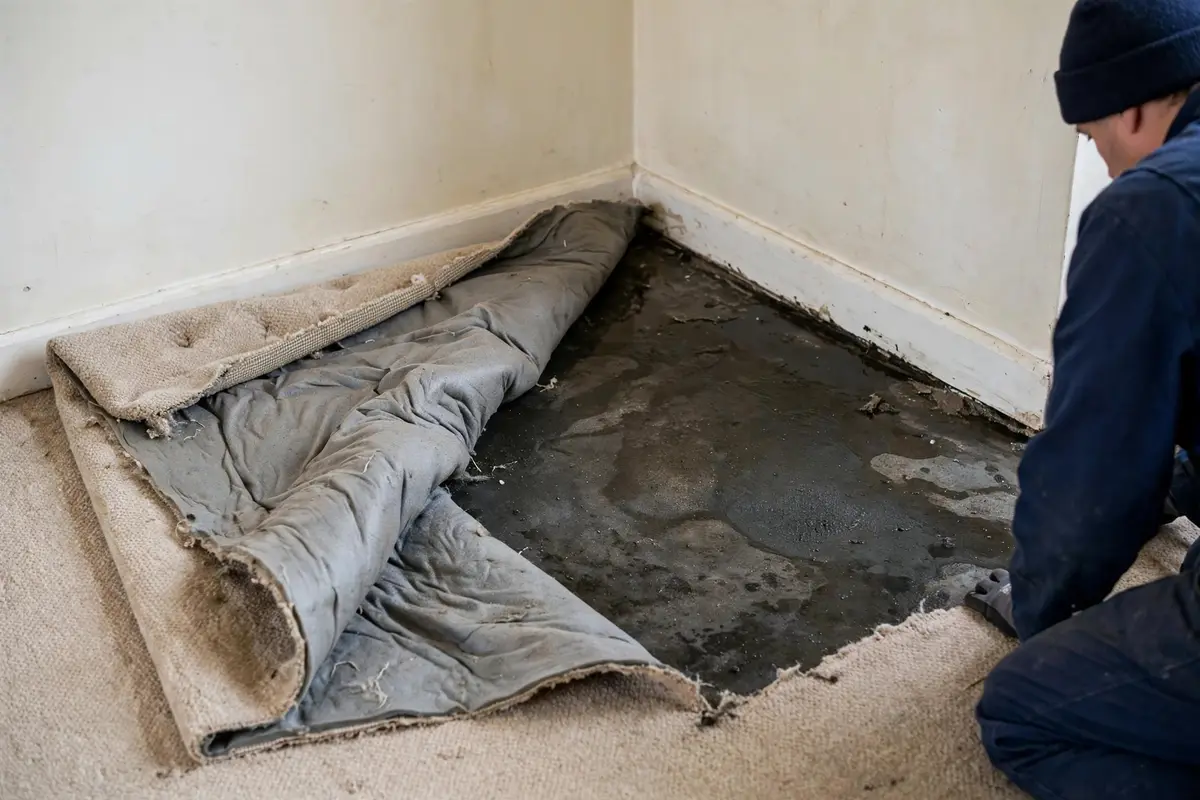
Hissing or running water sounds when the house is quiet, a musty smell that cleaning does not shift, and baseboards that swell or separate can all follow water under the slab. New hairline cracks in tile or grout, or doors that suddenly stick, may appear as moisture affects the ground below. Mildew on grout lines above a damp slab often returns soon after cleaning, which is another pattern worth noting down. Photographs beside a ruler give sounds and smells a useful visual partner.
None of these signs alone proves a slab leak, and each has other possible causes in a humid Florida climate. The pattern matters: several signs together, plus meter movement, make a strong case for detection. Note when sounds are loudest, since pressure changes overnight can make a leak easier to hear at night. Keep a dated list of sounds, smells, and crack changes, since patterns over a week guide detection far better.
Why Florida Slabs Show Signs Differently
Most Bradenton homes sit on slab on grade foundations, with sandy soil over limestone and a high water table below. Water from a leak travels through sand and along the slab, so damp may appear rooms away from the break. During the June to October rainy season, extra ground moisture can mask or mimic leak signs. Heavy afternoon rain can cool floors and hide warm spots for a day, so repeat checks in drier weather. Local soil knowledge turns a confusing pattern into a readable one quickly.
That Florida setting is why pinpointing matters more than following the wettest spot. Listening equipment traces the line itself rather than the path water took afterward. Homes near Lake Manatee and low lying areas near the Manatee River should act on early signs, because saturated ground hides losses longer. Homes on higher ground dry faster after rain, making a persistent damp patch there more significant than in low yards.
Questions About Signs of a Slab Leak in a Florida Home
My floor feels warm but the meter barely moves, should I worry?
A warm spot with slow meter movement can mean a small hot line leak that runs steadily. Small still matters, because heat and moisture under the slab continue around the clock. Note both signs over two days, then arrange detection if the pattern holds steady.
Can a slab leak cause mold in the house?
Ongoing moisture under floors and in wall bases can create damp conditions where mold grows, especially in humid Florida air. The leak repair stops the water source, which is the first step. If smells or visible growth are present, ask about drying and further checks after repair.
Do slab leaks always show on the water bill first?
Not always. Some homeowners notice warmth, sounds, or damp smells before a full billing cycle shows the increase. Others see the bill jump first because the home has carpet or the leak is on a cold line. Trust either signal enough to run the meter test.
How quickly should I act on early signs?
Act within days, not months, once the meter test suggests a loss, because under slab water keeps moving through sand and into finishes. Early pinpointing usually means a smaller repair area. Keep water use low and note any spreading damp while you wait for the visit.