

New Slabs, New Leaks: The Parrish Paradox
Parrish is one of the fastest growing corners of Manatee County, and most of its homes were built in the last two decades. Owners reasonably expect the plumbing to be the last thing on their worry list. Yet our Parrish call log keeps growing, because a slab leak is not only an old pipe disease. It is also a soil and construction story.
New slabs in Parrish sit on fill that was graded and compacted quickly to keep pace with demand. As that fill settles unevenly in the first years, rigid fittings under the concrete take the strain. A line can be sound on the day of inspection and stressed a few seasons later, especially where runs bend sharply near the water heater.
The advantage of a leak in a newer Parrish home is that everything else is usually healthy. One stressed fitting, caught early, means one focused repair. The trap is assuming new construction cannot leak and letting a bill spike run for a year. Age earns a home suspicion, but symptoms earn the test, at any address.
North River Ranch and Silverleaf: Patterns in Planned Plumbing
Master planned Parrish communities like North River Ranch and Silverleaf were built in phases, often by a handful of builders repeating proven floor plans. That repetition cuts both ways. When one home in a phase develops a slab leak at a manifold bend or a bathroom group, its near identical neighbors share the same layout and the same risk points.
We keep that pattern knowledge in mind on every Parrish call. If your home matches a plan where we have found a stressed fitting before, we test those junctions early, while still verifying with meter isolation and acoustic readings. Experience speeds the search, but the equipment still has the final word on where any floor gets marked.
Planned communities also mean finished interiors: wide plank floors, big tile fields, and open plans where one opening shows from everywhere. Pinpoint accuracy protects the look of those rooms, and rerouting through the attic is often practical in Parrish roof lines. Both options get priced by your floor plan, explained in plain language.
Farmhouses and Acreage Homes on the Older Parrish Roads
Beyond the new rooftops, Parrish still holds farmhouses, ranch homes, and acreage properties along roads that carried citrus and rail traffic long before the subdivisions arrived. These homes run longer service lines from the meter, sometimes with well equipment, outbuildings, and irrigation tied into the same system in creative historical layers.
A leak on a Parrish acreage property can hide in two directions at once: under the slab of the house or somewhere along the buried yard line feeding it. Our isolation testing separates house from yard early, because the repair, the digging, and the day you get back to normal all depend on which side of the foundation the water is escaping.
Older Parrish homes also mix pipe eras the way Palmetto does, though with more plastic and copper than galvanized. We trace the actual route rather than trusting the shortest line between fixtures. Rural properties reward patience: one careful trace beats three exploratory holes in a pasture or a slab.
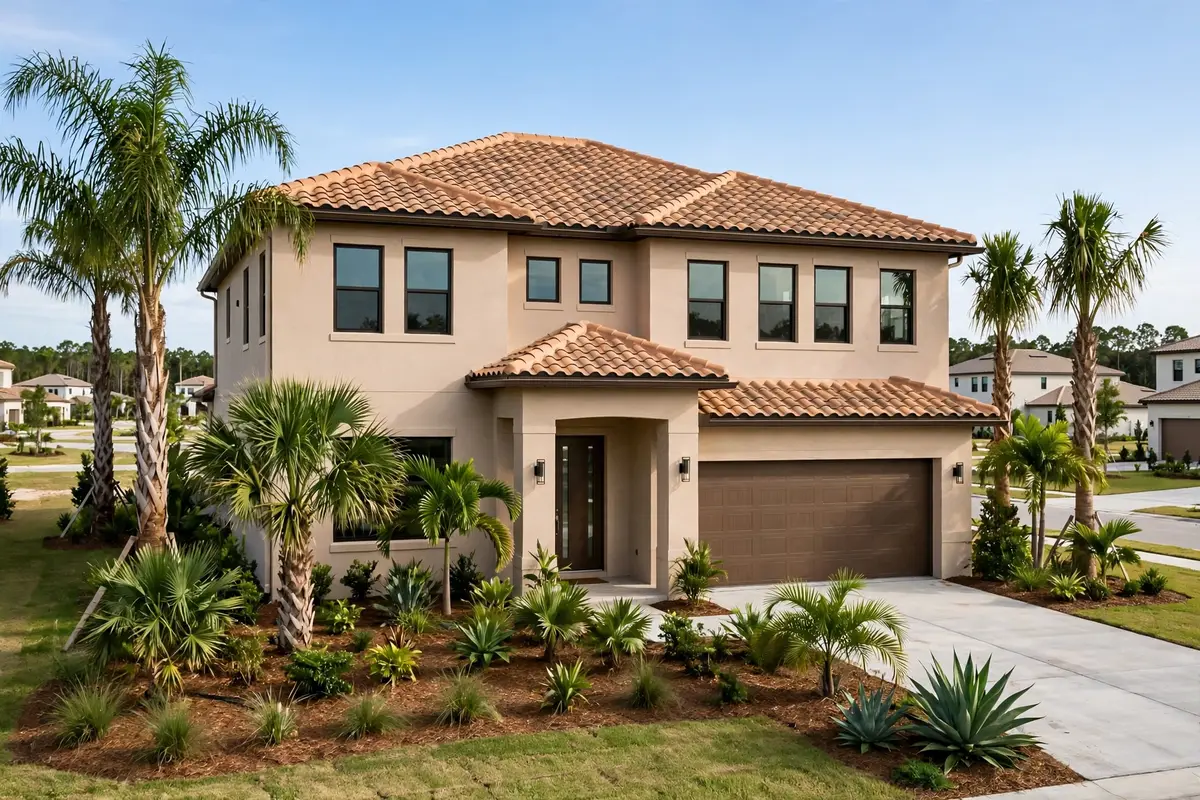
Sandy Soil Settling Beneath Fresh Parrish Concrete
Parrish ground is sand over more sand, and sand moves water and shifts under load in ways clay never would. Under a new slab, the first years of rain cycles sort and settle the fill. Most homes settle evenly and silently. In the unlucky minority, a pipe run crosses the exact spot where the ground gives a little more.
The leak that follows is usually mechanical, not chemical: a fitting pulled at an angle, a line chafing where it enters the slab, a joint that flexed once too often. On a thermal camera these Parrish leaks often sit near the water heater wall or a main bathroom, where runs concentrate and bends multiply.
Builders and homeowners sometimes ask whether settling means the slab itself is failing. Usually not. The concrete rides the soil; the pipe is the brittle part of the system. We separate those questions during a visit, checking for floor slope or cracking while we test the lines, and we tell you plainly which problem you actually have.
Why a Young Parrish Home Can Still Spring a Leak
Construction defects hide well. A nail nick in a line during framing, a fitting that never fully seated, or pipe nicked by the concrete crew can all hold pressure through closing day and fail years later as water chemistry and temperature cycles work on the weak point. Parrish growth speed makes these stories more common, not less.
Symptoms in a young Parrish home look the same as anywhere: a bill that does not match the household, a warm strip along a hallway, a meter that moves at midnight. What differs is the reaction. Owners of newer homes often blame the meter or the utility first and lose a season before testing the house itself.
Bring us the suspicion early and the math favors you. A pinpointed leak in a five year old Parrish slab is typically a single point repair with healthy pipe on both sides. The same leak ignored becomes wet soil, lifted flooring, and a much larger conversation about what else the water reached.
PEX Runs and Manifold Layouts in Modern Parrish Builds
Most newer Parrish homes distribute water through PEX lines home run from a central manifold, a layout that changes leak detection for the better. Each fixture has its own line, so we can isolate and pressure test runs individually at the manifold, narrowing a whole house suspicion down to a single bathroom or the kitchen in short order.
When a manifold home leaks under the slab, the failure usually sits where a line bends up through the concrete or where it was secured too tightly before the pour. The acoustic signature is clean in these homes because the pipe is continuous, without the joint clutter of older copper trees echoing sound around the system.
Manifold layouts also make rerouting elegant when it is needed. A failed run can be replaced from the manifold through the attic while its neighbors keep working, often without touching the floor at all. If your Parrish home has a manifold closet, tell us when you call; it shapes the whole detection plan.
Detection Across Open Plans and Long Pipe Runs
Open plan Parrish homes present a particular detection puzzle: sound travels far across one big slab, and a leak under the kitchen island can announce itself faintly in the primary bath. We counter that with a strict grid, marking signal strength room by room and letting the loudest consistent point emerge instead of chasing the first echo.
Thermal cameras earn their keep in these layouts on hot lines, tracing the warm plume across wide tile fields back to its narrow origin. On cold lines we lean on correlator style listening at two points along the run, which uses the time gap between sounds to calculate where along the pipe the escape sits.
The deliverable in a Parrish detection visit is a floor mark you can trust and a written summary of how we got there. In a community where homes are resold young and often, that documentation travels with the house and answers the next owner questions about what was found and exactly how it was fixed.
Reroutes Through Parrish Attics and Other Repair Routes
Parrish architecture quietly favors the reroute. Generous attic space, single story footprints in many communities, and manifold plumbing mean a failed under-slab line can often be replaced overhead in a day, leaving the floors untouched and the old pipe capped below. For finished open plan interiors, that trade is frequently the smart one.
Spot repair still has its place in Parrish, especially for a single stressed fitting under a garage slab, a laundry room, or tile that is still in production and easy to match. We weigh floor visibility honestly: a perfect patch in a utility space is a bargain, while the same patch mid great room deserves a harder conversation.
Epoxy lining rounds out the Parrish options for lines that are structurally round and leaking at a joint. Whatever the method, the repair ends with pressure testing of the full run and a walkthrough of what changed in your system, so you know exactly which pipes under your home are retired and which are new.
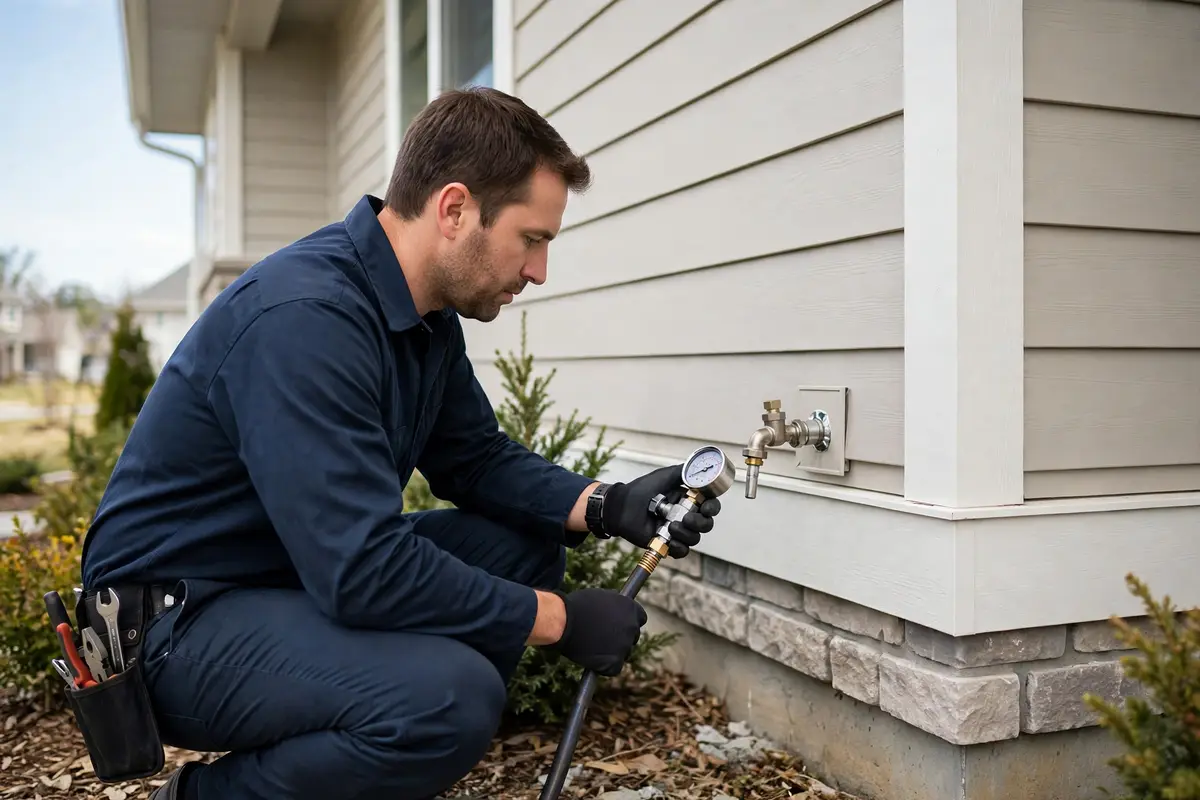
Fort Hamer, the Upper Manatee River, and Groundwater Nearby
East Parrish leans toward the upper Manatee River, and the Fort Hamer Bridge corridor carries homes that sit between pasture and river plain. Groundwater runs closer to the surface on this side of the community, and slabs poured here live with damp soil against their edges through the whole rainy season and beyond.
For a leaking line, that wet ground is a thief of evidence. Water escapes into soil that is already saturated and spreads sideways instead of rising, so floors stay deceptively dry while the meter does the talking. Parrish homeowners near the river learn to treat any unexplained usage jump as a detection call, not a wait and see.
We also watch for washout on river side Parrish properties, checking where downspouts discharge and whether yard low spots trace a line from the foundation. A leak plus poor drainage is a partnership your slab does not need. Fixing the pipe and flagging the drainage issue in the same visit protects the repair.
Growth Around You: Construction Vibration and Shifting Fill
Living in a growing Parrish neighborhood means living near active construction: graders, concrete trucks, and new lots being compacted a street away. Heavy vibration travels through sandy soil surprisingly well, and a marginal fitting under your slab experiences every pass. Several of our Parrish leaks sit in homes whose street was still being built out around them.
New landscaping plays a quieter role. Parrish yards start as builder sod over fresh fill, and irrigation added later changes how much water the soil near the slab holds. Overwatered beds against the foundation keep the slab edge wet, soften the shoulder of soil, and let a small pipe stress grow into a leak over a few seasons.
None of this means Parrish homes are fragile. It means the first five years deserve a watchful eye on the water bill, the way you would watch a new roof after its first storm season. Catch the settling era leak early and it stays a plumbing appointment instead of becoming a flooring project.
What Happens During a Parrish Leak Visit
Your Parrish visit opens with the meter and a conversation about the home: build year, builder if you know it, any past plumbing work, and where the manifold lives. Then we isolate systems in order, house lines first, irrigation second, so the test results point at the right side of the foundation before detection gear comes inside.
Detection follows the layout of your home. Manifold systems get line by line pressure tests; traditional layouts get acoustic grid work and thermal scans. Either way you watch the evidence accumulate toward one marked point, and we explain each step as it happens rather than presenting a conclusion at the end.
The visit closes with options and documentation: the leak location, the likely cause given your soil and build era, and the repair routes that fit your floors. Parrish homeowners in HOA communities also get the notes in a form that answers community questions about exterior work, scheduling, and water shutoffs.
Routes Across 34219 From Gamble Road to Harrison Ranch
ZIP code 34219 covers the whole Parrish story, from the subdivision gates along Gamble Road and Old Tampa Road out to the acreage along the county edge and the streets around Harrison Ranch. Our crews run this ZIP daily out of Bradenton, and the drive is short enough that an active leak here gets a prompt visit.
Routing by community helps us arrive prepared. A North River Ranch call loads manifold test gear and attic reroute materials on the truck, while a rural Parrish call adds yard line isolation tools and tracer range. Tell us your community or road when you call and the first visit starts with the right kit open.
While you wait, the most useful things you can do are simple: photograph your meter a few hours apart, note any warm flooring or damp baseboards by room, and keep the manifold closet accessible. Those three small steps compress a Parrish detection visit and get you to the repair decision faster.