
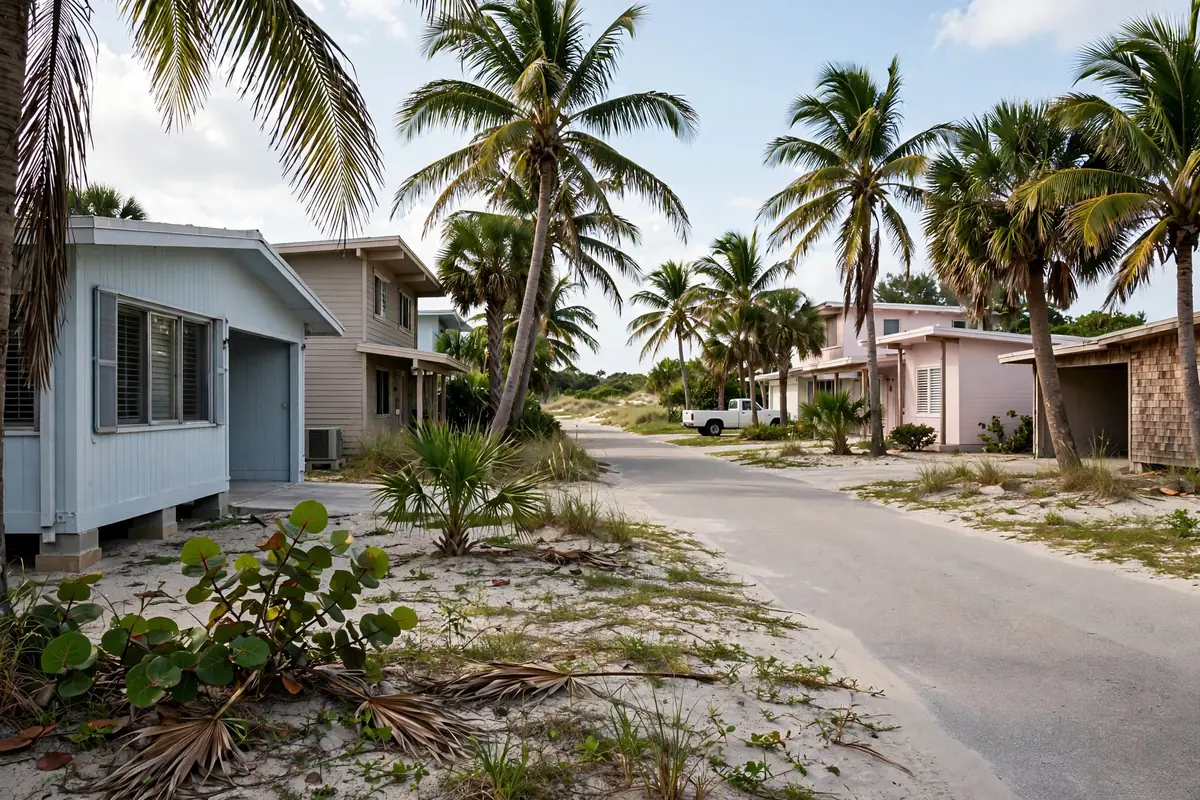
Slab Leak Service in the Heart of Holmes Beach
Holmes Beach occupies the middle of Anna Maria Island, where the pace feels relaxed yet the streets stay busy with beachgoers, boaters, and families settling into weekly rentals. Homes here serve double duty as private retreats and income properties, so plumbing trouble rarely arrives at a convenient moment for anyone involved. A leak under the slab can quietly run for weeks between guest stays, soaking soil while the house appears calm and ready.
Bradenton Slab Leak Pros handles these mid island calls with that rental rhythm in mind, planning detection and repair around changeover days whenever the situation allows. We communicate with owners who may be hundreds of miles away, sending clear updates as each test result comes in. Local knowledge guides the work too, since canal streets, beach blocks, and inland lanes each present their own access and plumbing quirks worth respecting.
Salty Breezes and Shallow Groundwater in Holmes Beach
Groundwater sits shallow beneath Holmes Beach, held close to the surface by the surrounding bay, canals, and Gulf waters that border the city on every side. A slab here rarely rests far above that moisture, so escaping water from a buried line joins an already damp environment under the concrete. Over time the added flow carves tiny channels through sand, carrying support away from the slab in a slow, steady pattern.
Salt spray drifts across the city daily, settling on outdoor showers, hose bibs, irrigation fittings, and the exposed ends of service lines near pool equipment pads. Corrosion builds quietly at these points and can travel inward along aging copper, weakening walls of pipe that owners never see. Regular pressure checks give Holmes Beach households an early warning, revealing small losses long before floors buckle or cabinets begin to swell.
Manatee Public Beach, Key Royale, and Canal Street Living
Manatee Public Beach anchors the west end of Manatee Avenue, with its wide sand, volleyball courts, and the beach cafe serving pancakes to early crowds most mornings. Homes within a few blocks of this shoreline rent quickly and work hard through the season, their plumbing cycling constantly with showers, laundry, and sandy returns from the beach. That heavy use makes small leaks grow faster, and early detection protects both the house and its booking calendar.
Inland, the Key Royale neighborhood wraps around its golf course and canal network, where waterfront homes pair docks and pools with quiet residential streets. Boats rest on lifts behind many houses, and service lines often run near seawalls, patios, and outdoor kitchens along the water. We pay close attention to these rear yard runs during inspections, since leaks there can undermine pavers and pool decks before any indoor sign appears.
Between these two anchors, streets like Marina Drive and 85th Street hold a mix of full time families and second homes that fill on weekends and holidays throughout the year. Water demand swings sharply with occupancy, so a leak may hide during busy weeks and reveal itself in quiet ones when usage should fall to nearly nothing. Comparing bills across those cycles often gives owners their clearest early evidence of trouble beneath the floor.
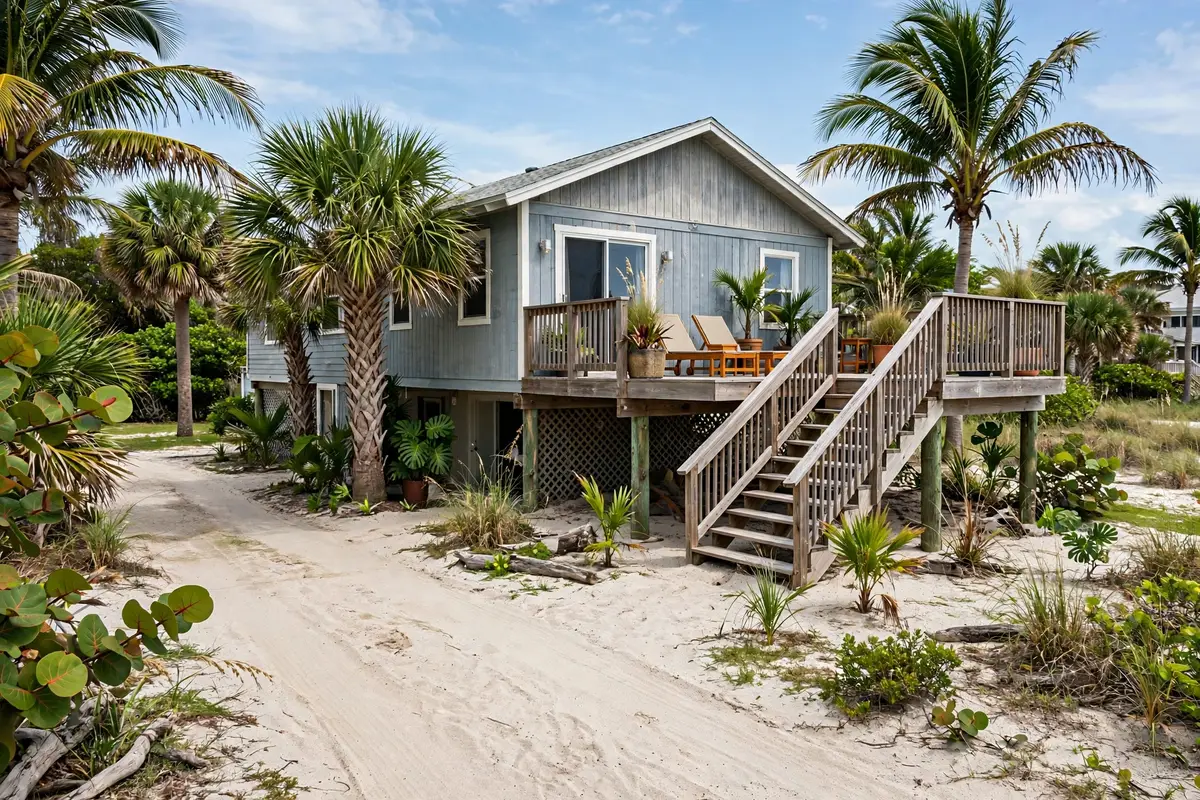
Beach Ranches and Canal Homes From Mid Century Onward
Many Holmes Beach houses went up between the 1950s and the 1970s, when single story ranches and modest beach homes spread across the new canal lots of a growing island. Their slabs often carry original copper lines that have now served far longer than builders once expected them to last. Remodels over the years added bathrooms, laundry rooms, and pool baths, each tying fresh pipe into aging runs beneath the same concrete.
Newer builds and raised renovations stand between those classics, often with great rooms, guest suites, and large tiled showers that place more fixtures over the slab. Pool decks connect to the house on many lots, and shared plumbing walls serve kitchens, baths, and outdoor rinse stations at once. Understanding which era each part of a home came from helps our crew predict where buried lines travel and where they most often fail.
Under Slab Troubles We See Across Holmes Beach
Hot water lines tend to fail first in Holmes Beach homes, since heat speeds the mineral wear inside copper and stresses joints every time the system expands and cools again. A leak on the hot side often announces itself as a warm strip across a hallway floor or a water heater that cycles more than it should. Cold lines fail more quietly, sometimes revealing themselves only through the meter or a soft patch in the yard.
Pool plumbing adds a second layer of possibility, because deck jets, fill lines, and equipment connections run close to the house slab on compact island lots. When a pool loses water, owners often assume evaporation, yet a buried fitting near the deck edge may be feeding moisture under the home instead. Our testing separates pool circulation from household supply early, so the repair targets the system that is actually losing water each day.
Signals Absent Owners Hear About From Afar
Absentee owners often learn about a slab leak secondhand, when a cleaning crew reports a warped plank or a property manager notices the water heater refilling at odd hours. Guests may mention low pressure in one shower or a toilet that runs longer than usual after each flush during their stay. Each of these small reports deserves a serious look, since together they often point to one hidden source beneath the floor.
Neighbors sometimes spot the outdoor clues first, like a damp driveway strip that never dries or bright green grass along one side of a vacant house in a dry spell. Inside, watch for grout darkening in a widening pattern, a hallway rug that stays cool and damp, or paint bubbling low on an interior wall. Sharing photos and dates with us before the visit helps narrow where testing should begin on arrival.
How Detection Works Around Pools and Busy Rentals
Our Holmes Beach detection visits begin outside, at the meter and the pool equipment, before moving indoors to isolate each branch of the plumbing system in turn. Separating the house, irrigation, and pool lines early prevents confusion, since all three draw water on these lots and any one could be losing it. Gauges hold pressure on each section while we listen, giving a clear picture of which run fails to stay sealed.
Inside, acoustic sensors pass over tile and laminate floors in a slow grid, following the sound of escaping water toward its strongest point beneath the slab. For hot side leaks, a thermal camera confirms the pattern by showing heat spreading outward from the same spot on the floor surface. We mark the location, photograph it for the owner, and review repair options on the spot or by phone for those away.
Because many Holmes Beach floors use large format tile over wide open living areas, sound can travel farther than expected before it reaches the surface above the buried line below. We account for that echo by testing from several angles and confirming with pressure data, rather than trusting the loudest reading alone in the room. This patience keeps the marked repair spot honest, even when the first signal seems to come from several feet away.
Fixing Leaks in Homes That Host Guests Year Round
For a single failure in otherwise sound pipe, a spot repair through the slab keeps the job compact and gets water fully restored in the shortest practical window. We open the marked section, remove the damaged length, and join in new pipe before pressure testing the whole branch again from end to end. Rental owners appreciate that this approach focuses work in one room, limiting disruption for guests already booked into the home.
When testing shows widespread thinning, rerouting the line overhead or through walls usually serves the house better than chasing one weak point after another. In ranch style Holmes Beach homes, attic runs are often practical, and the old buried line can be capped and abandoned with confidence. We sequence noisy work between guest stays when possible, and we leave floors broom clean and safe at the end of each workday.
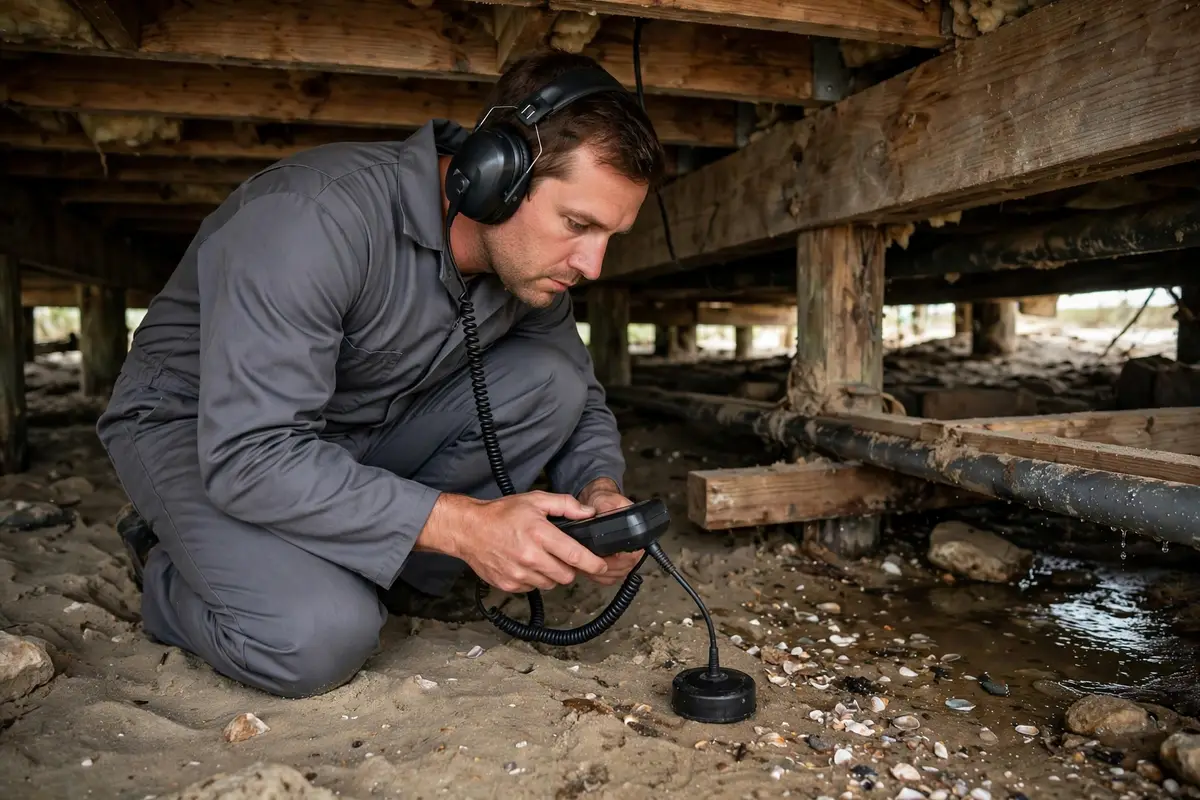
Sand, Shell, and the Ground Beneath Holmes Beach Slabs
The soil profile under Holmes Beach blends beach sand with shell fragments and pockets of organic fill left from the era when canals were dredged and lots were raised. These mixed layers settle at different rates, so a slab can lose even support in one corner while staying firm a few feet away. A steady leak accelerates that uneven settling by washing the finest particles out of whichever layer the water reaches first.
Pool construction complicates the picture on many lots, since excavated and backfilled soil around a pool shell rarely compacts the same way as undisturbed ground beside it. Lines crossing that boundary zone face extra movement as the two zones respond differently to wet and dry cycles through the year. Our repairs include careful backfill and compaction in these transition areas, restoring steady support where the pipe passes from one soil type into another.
Rainy Season Strain on Mid Island Foundations
From June into the fall, afternoon storms soak Holmes Beach almost daily, and the water table rises until yards, swales, and canal edges all hold moisture for long stretches. During these weeks a slab leak hides in plain sight, because every surface seems damp and owners reasonably blame the weather first. A simple meter check on a dry morning separates household losses from storm water, and we encourage owners to try it monthly.
King tides add a quieter pressure in low canal neighborhoods, pushing bay water up through the soil until it meets the underside of slabs near Key Royale. That upward moisture carries salt into the ground around buried fittings, and repeated tidal cycles work on aging joints season after season. Homes that sit lowest benefit most from prompt leak repairs, since their pipes spend the most time surrounded by brackish groundwater each year.
A Clear Plan Before Any Holmes Beach Floor Is Opened
Expect our visit to start with questions about the home history, recent remodels, pool work, and any changes in water use that you or your manager have noticed lately. Then come the meter readings and isolation tests, followed by careful listening across the floors of the rooms most likely to hold the leak. We explain findings as they develop, so by the time a repair is proposed you understand exactly what the evidence shows.
If you live elsewhere, we treat your manager or caretaker as our on site partner, confirming access, pet arrangements, and alarm details before the appointment day arrives. Photos of gauge readings, marked floors, and finished repairs go to you directly, keeping the record clear for future owners or insurance questions. The visit closes with a full pressure retest, a walkthrough of restored areas, and guidance on watching the meter over the following week.
You will also get a plain summary of what was found, what was fixed, and which older lines deserve watching during the next round of seasonal maintenance at the property each year. That record proves useful when a home changes managers, sells, or schedules a remodel that opens walls and floors anyway for other planned work. Keeping the history straight protects the next owner and helps any future crew start with facts instead of guesses.
Crossing to Holmes Beach From Our Bradenton Base
Holmes Beach sits a short drive from our Bradenton base, reached by Manatee Avenue West as it crosses the bay and arrives directly at the Manatee Public Beach intersection. That straight mainland to island route lets us respond across the city, from Gulf Drive beach blocks to the canal streets behind Key Royale, without complicated detours. We plan departures around bridge lifts and beach traffic so arrival windows stay honest and dependable.
Streets such as Marina Drive, Flotilla Drive, and Clark Drive connect the neighborhoods we serve most, and our crews know their tight turns, cul de sacs, and parking habits well. Knowing where a truck can stage without blocking a narrow canal lane keeps the visit smooth for neighbors and guests alike. When you call, we confirm the address, access notes, and the best parking spot before dispatching the crew your way.