
Saturated Sand Under the Slab
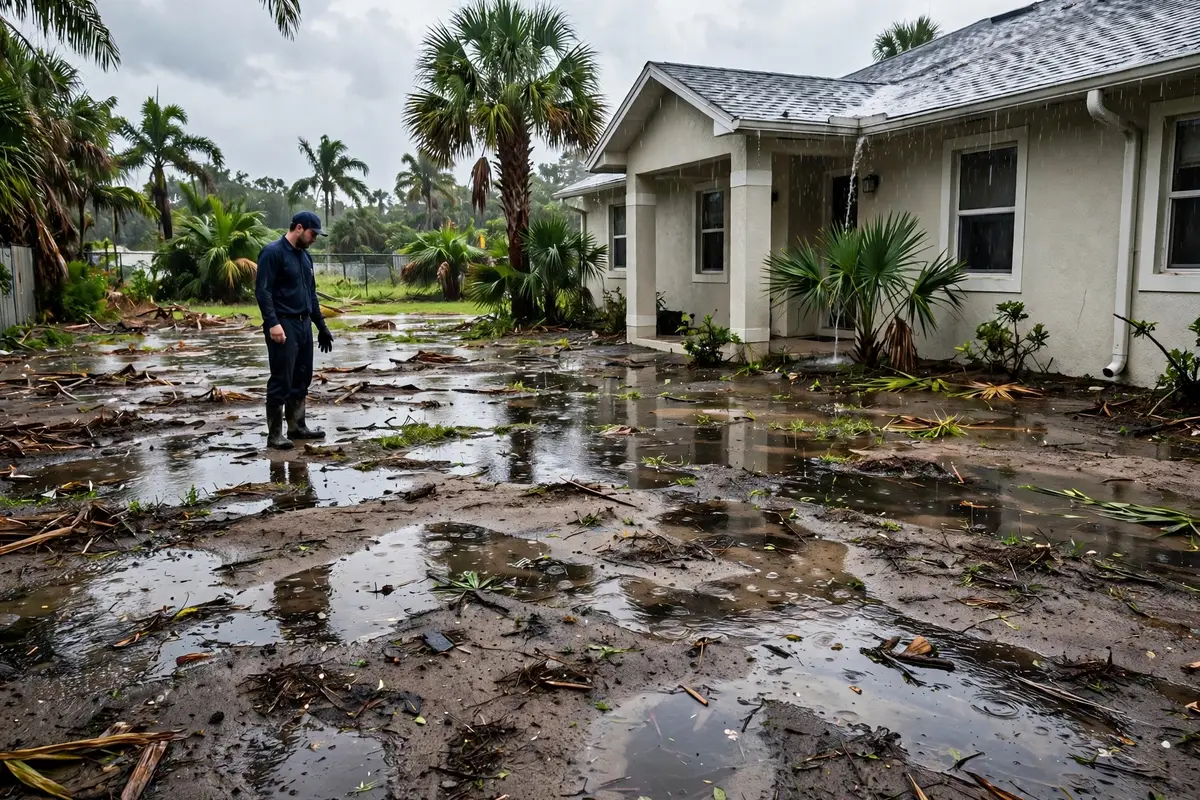
Bradenton slabs rest on sand that behaves one way when dry and another when soaked. Days of storm rain saturate that sand, changing how it supports the slab and how it grips the pipes running through it. Pipes already thinned by age feel that change first, at joints and bends. Drainage that worked for years can fail when gutters clog during a storm, sending roof water against the slab edge. Weakened pipe often fails quietly, weeks after the loudest weather has passed.
This is why a home can pass the summer without a sign and show a warm floor or meter movement in the weeks after a major storm. The storm did not create weak pipe from nothing; it loaded pipe that was near its limit. Post storm checks simply catch the result while the repair area is still small. After major rain, walk the perimeter and note where water pooled longest, since those sides deserve the closest indoor checks.
Rising Water Table After Heavy Rain
The water table under Manatee County sits high even in normal times, and sustained rain or storm surge pushes it higher, sometimes to near the slab. Pressurized lines under a home then sit in groundwater, and drainage around the home works harder. Small defects that wept slowly can become steady losses. Groundwater can also push damp upward through tiny slab pores, creating cool damp patches that differ from warm leak spots. Cool damp and warm damp point toward very different sources under floors.
Low lying areas near the Manatee River, Lake Manatee inflows, and coastal zones toward Anna Maria Island feel this most. If your street flooded or your yard held standing water for days, treat later water bill changes seriously rather than blaming the weather alone. The meter test cuts through the guesswork in one short check. Comparing floor temperature helps, because groundwater damp feels cool while a hot line leak warms the concrete above it.
Soil Washout and Shifting Support
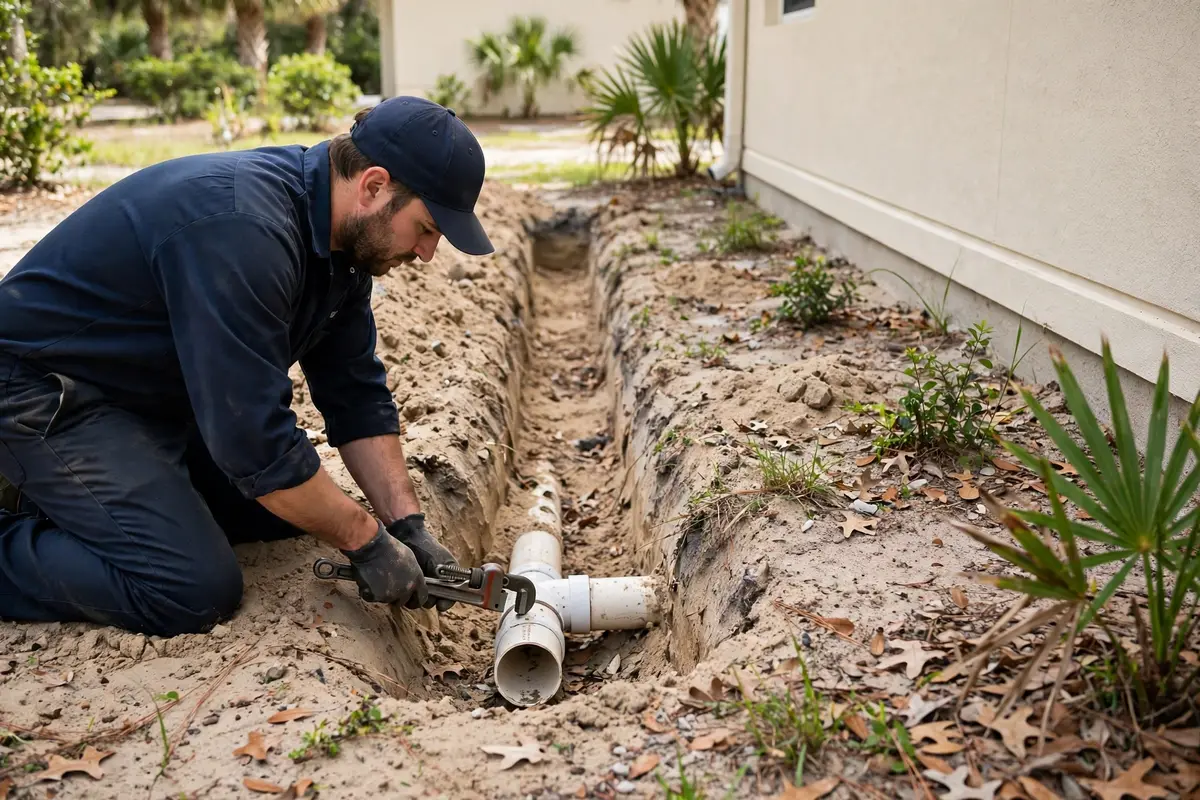
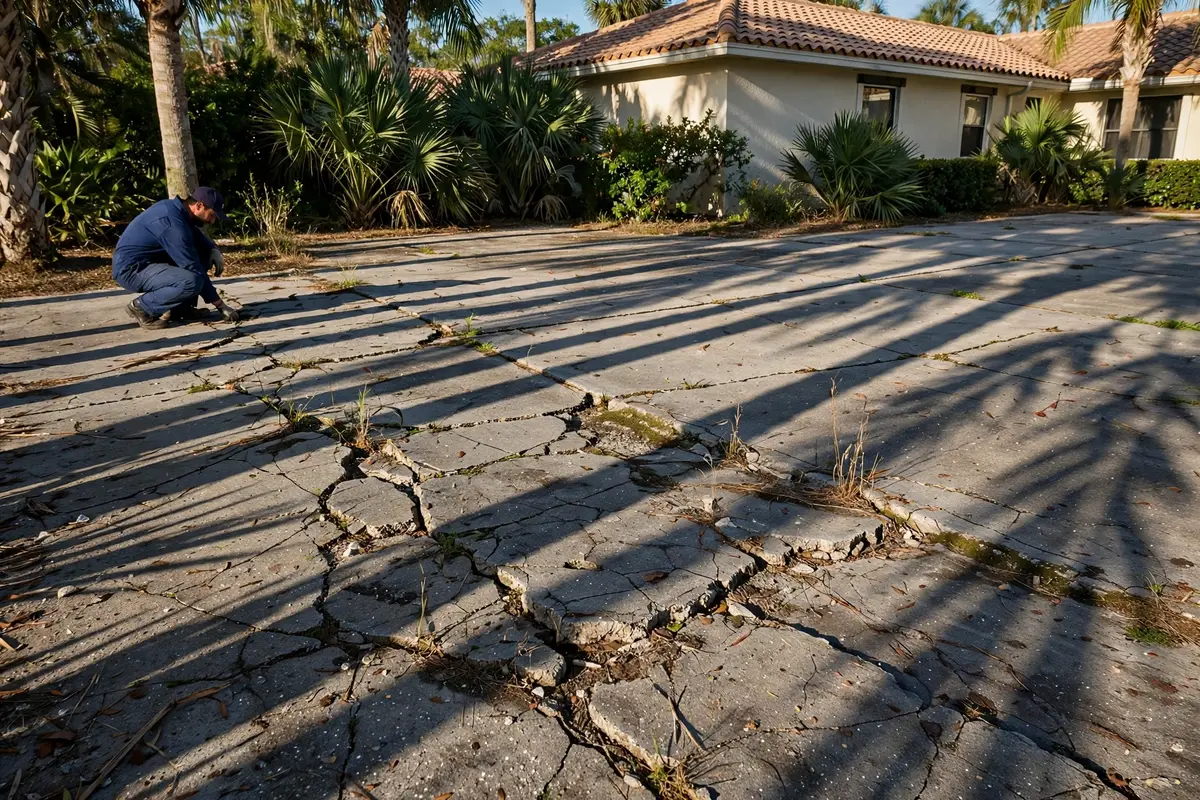
Moving water finds paths, and under a slab it can carry fine sand with it, leaving small voids where support used to be. Broken or overflowing drainage, eroded edges at the slab, and new gaps where soil meets the foundation are visible hints. Inside, that shift can show as new grout cracks or a door that suddenly rubs. Photograph the slab edge outside as well as cracks inside, since erosion outside often appears before movement inside shows. Standing water photos help show how long drainage problems lasted this time.
Washout also explains why leak signs can appear away from the wettest room, since water travels along the slab and through sand channels. Following damp alone after a storm is especially unreliable. Detection that traces the line itself, by sound and pressure, gives a location you can act on with confidence. Downspouts that discharge at the foundation deserve attention during cleanup, because they concentrate water exactly where support matters most.
Post Storm Checks Inside the Home
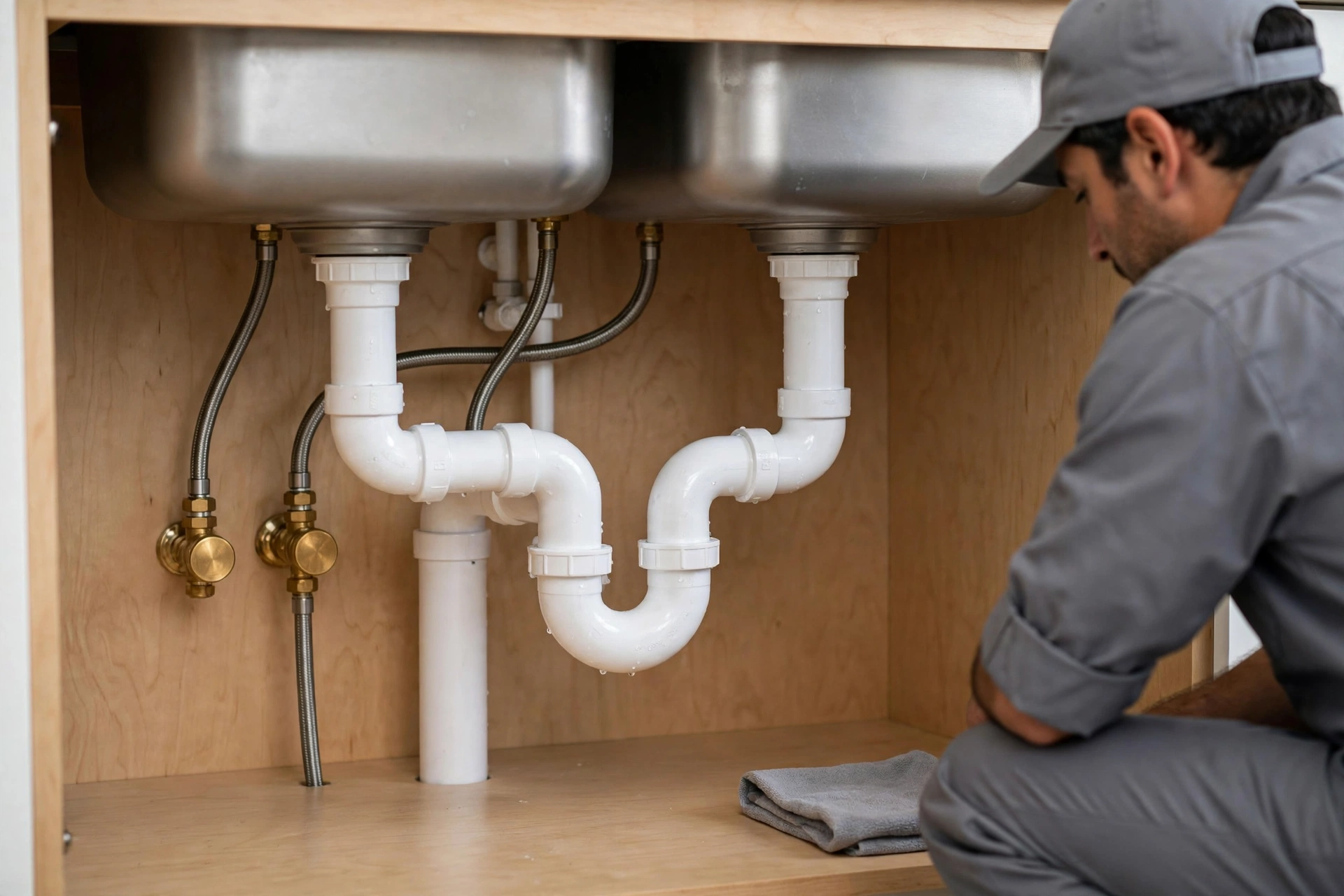
Once power and safety are settled after a storm, walk the home barefoot for warm spots, listen at night for running water, and run the ten minute meter test with irrigation off. Check under sinks and around the water heater for ordinary leaks too, since storms shake fittings and debris can foul toilet valves. Run the meter test before starting laundry and pressure washing cleanup, since heavy cleanup use hides the quiet readings needed. A headlamp and gloves make this walk safer around stored garage items.
Photograph any new cracks, damp baseboards, or lifted flooring with dates, even if you are unsure they matter. After hurricanes, Bradenton homeowners juggle many repairs at once, and dated notes keep a slow slab issue from being forgotten. If the meter moves, call (941) 307-1712 and mention the storm timing, since it shapes the search. Check the garage and utility areas too, because lines there are exposed to shifting and standing water during storms.
Watching for Delayed Signs for Weeks
Not every storm related leak announces itself in the first days. Slow losses can take weeks to raise a bill, warm a floor, or soften ground enough to notice, especially where the water table stays high long after rain ends. A second meter test a few weeks later is cheap insurance. Mark your calendar for a follow up meter test, because relying on memory after a busy storm month rarely works. Put the follow up date in writing the day the storm passes.
Keep an eye on water use across the next two billing cycles and compare with the same period last year if you can. Homes that sat empty during storm evacuation deserve an extra check on return, since no one was home to hear sounds or feel warm floors. Early attention keeps a post storm leak a plumbing repair, not a flooring project. If a second home sat closed with air conditioning off, allow time for humidity smells to clear before judging damp.
Questions About Why Slab Leaks Appear After Florida Stor
How soon after a storm should I test the meter?
Test once the home is safe, power is stable, and you can shut off irrigation and all indoor use for ten quiet minutes. Testing during cleanup, with hoses and washing running, proves nothing. If the first test is unclear, repeat it on a calm morning within the week.
Can a hurricane cause a leak without direct damage to my home?
Yes. Saturated ground, a raised water table, and soil movement can stress older pipes even when the roof and walls came through fine. The pipe fails from pressure and shifting support, not flying debris. That is why meter checks belong on the post storm list for slab homes.
My yard is still soggy, how can I tell leak damp from storm damp?
Storm damp fades as days pass and the yard dries, while leak damp in one indoor spot persists or grows, often with meter movement. Compare the same area across several dry days. If indoor damp holds while the yard dries, arrange detection rather than waiting longer.
Should I check an empty rental or second home after storms?
Yes, and promptly, because no occupant means no early signs are noticed and a running leak can continue for weeks. Ask whoever checks the property to include a meter reading and a barefoot walk on tile floors. Share dated readings when you call for advice.